Hexa Tiger
 Scale My Publication
 SEO for Public Figures


Cloudflare Radar recorded 49 disruptions during the third quarter of 2026, showing what took the Internet Offline as government-directed shutdowns and power failures led the count. The findings show how shutdowns and electricity failures can take the Internet Offline.
Government-directed shutdowns accounted for 19 incidents, including 18 exam-related shutdowns in Iraq. Power outages caused 14 disruptions, while natural disasters accounted for five. Outages also occurred in the United States, Japan and Portugal, described as relatively resilient countries.
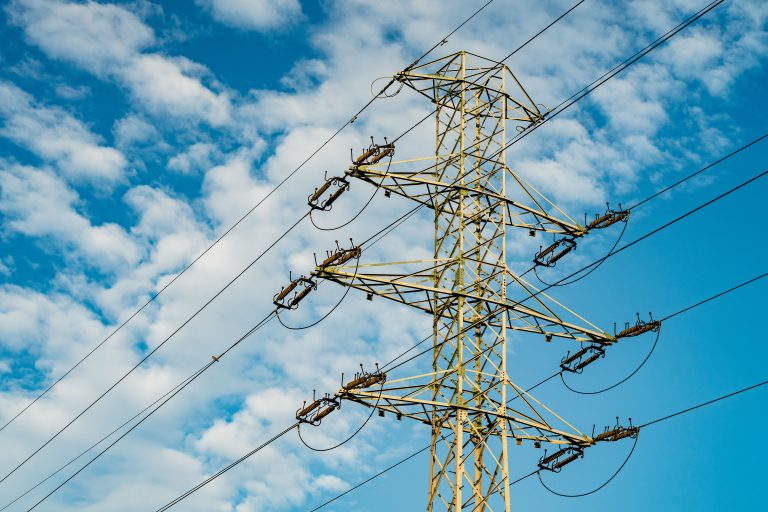
Power Failures Took the Internet Offline
Radar recorded power-related disruptions in 10 countries. Cuba experienced four outages, on July 6, July 14, August 3 and from September 18 to 20. Traffic volume fell by 18% on July 14 and 59% on August 3, the source said.
In Honduras, a September 10 power failure at an interconnection facility affected at least 11 major providers. The outage lasted approximately three hours, and HTTP traffic across the country fell by 63%. Telecomunicaciones de Guatemala (AS14754) and mobile carrier Celtel (AS52262) were unaffected. Cloudflare said their connectivity may rely more on infrastructure outside Honduras.
Two outages affected Sevastopol, Ukraine. A July 5 power failure took the Internet Offline for eight hours, with HTTP traffic dropping by 98%. Drone strikes targeting energy infrastructure on August 12 caused another outage and a 10-hour Internet disruption, with traffic volume declining by up to 95%.
Storms and Earthquakes Damaged Connectivity
Super Typhoon Bavi caused widespread power outages in Guam. Strong winds brought down transmission lines, and the Guam Power Authority reported that only about 25% of distribution feeders were online at one point. Internet traffic then took multiple days to recover after the Internet went Offline.
In Japan, an earthquake of magnitude 7.1 prompted evacuation orders affecting roughly 150,000 people in Kumamoto. The impact appeared mainly in desktop traffic; mobile traffic remained largely unaffected. In Colombia, a magnitude 7.4 earthquake in August damaged buildings and fiber-optic infrastructure. The Internet disruption lasted four and a half days, leaving Colombia Offline for more than four days.
Flash floods in Nepal on August 26 damaged homes, infrastructure and essential services, including power. Connectivity was disrupted in Rasuwa, Nuwakot and Dhading districts. Radar recorded a two-hour outage; HTTP traffic fell by up to 18%.
Iraq Exam Shutdowns Led the Count
Iraq had 18 exam-related shutdowns, most between August 26 and September 28. They followed a strict schedule from 03:30 to 04:00 UTC and lasted about 15 to 90 minutes each. Three of the shutdowns occurred between July 1 and 8.
Internet Society Pulse quoted Iraq’s communications minister, Mustafa Sanad, as confirming the shutdowns and vowing to develop a digital system that would remove the need for centralized exam distribution and Internet shutdowns on exam days. Cloudflare Radar said it would continue monitoring the country’s networks as the system develops.
Renewed conflict in Ethiopia’s Tigray region coincided with a government-directed shutdown lasting 10 days. Traffic dropped by 100%, while HTTP traffic fell by up to 30% at the country level. In Russia’s Far East, damage to backbone fiber lines on September 19 disrupted connectivity across four regions. Rostelecom called the damage deliberate and said it restored connectivity through backup channels. Radar said its data could not establish whether the cable damage related to nationwide elections that day.
Short Outages Still Affected People
Cloudflare said 14 disruptions returned to typical traffic levels in under an hour, and 16 recovered in less than three hours. The company said short outages can affect people during storms, earthquakes, conflict or political unrest, when Internet access provides information, coordination, safety and help.
Its quarterly account groups shutdowns, power failures, disasters and conflict among the sources of disruption. Readers can compare the findings with Cloudflare’s reporting on Cloudflare’s AI agent tools, its account of its blog migration, and coverage of its origin range requests. They cover separate Cloudflare developments.
Cloudflare Radar will continue monitoring Internet disruptions and sharing observations from Cloudflare’s global network, according to the company. Radar posts updates on X and Bluesky.